Low sexual desire affects up to 30–40% of women. It’s common. It’s distressing. And it meaningfully impacts quality of life. And yet — most of us were never trained to manage it.
We learned Pap smears. Contraception. Infection. We did not learn how to evaluate desire.
So we improvise. We order labs (they’re normal). We suggest therapy. We blame stress. We call it aging. And quietly… we feel stuck.
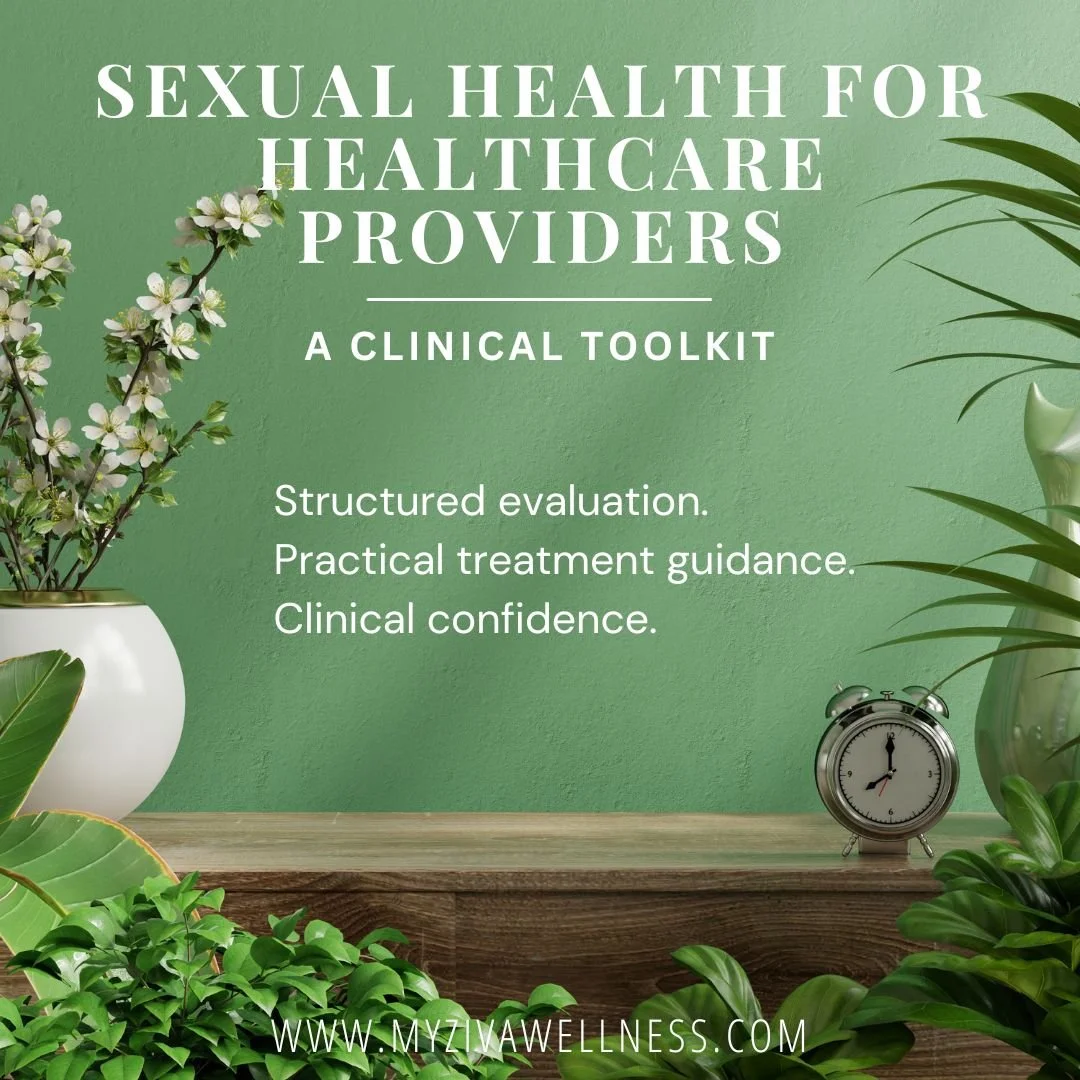
Sexual health is not fringe care. It’s core care. If you don’t have structure, these conversations feel awkward and unsatisfying — for you and for your patients.
Inside this toolkit:
✔ A structured, biopsychosocial framework for evaluating low desire
✔ A clear, easy-to-use clinical algorithm for identification and treatment
✔ Practical explanations of key sexual function and desire models
✔ A comprehensive contributing factors checklist (biological, psychological, relational)
✔ Ready-to-use patient tools (sensate focus, scheduled intimacy, mindfulness, sexual activity menu, and more)
✔ Overview of FDA-approved and off-label treatment options
✔ Referral pathways and curated professional resources
Low sexual desire affects up to 30–40% of women. It’s common. It’s distressing. And it meaningfully impacts quality of life. And yet — most of us were never trained to manage it.
We learned Pap smears. Contraception. Infection. We did not learn how to evaluate desire.
So we improvise. We order labs (they’re normal). We suggest therapy. We blame stress. We call it aging. And quietly… we feel stuck.
Sexual health is not fringe care. It’s core care. If you don’t have structure, these conversations feel awkward and unsatisfying — for you and for your patients.
Inside this toolkit:
✔ A structured, biopsychosocial framework for evaluating low desire
✔ A clear, easy-to-use clinical algorithm for identification and treatment
✔ Practical explanations of key sexual function and desire models
✔ A comprehensive contributing factors checklist (biological, psychological, relational)
✔ Ready-to-use patient tools (sensate focus, scheduled intimacy, mindfulness, sexual activity menu, and more)
✔ Overview of FDA-approved and off-label treatment options
✔ Referral pathways and curated professional resources